
Workers Compensation Insurance for Solar Contractors
The solar industry continues to grow across the United States as homeowners, businesses, and government organizations invest in renewable energy solutions. While this growth creates significant opportunities for solar installation companies, it also brings unique workplace risks. Employees frequently work on rooftops, use electrical equipment, handle heavy materials, and operate in changing weather conditions.
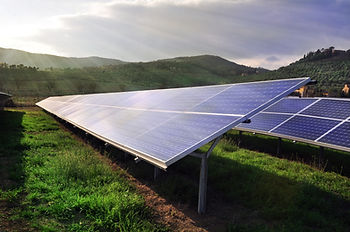
Because of these hazards, workers compensation insurance is one of the most important forms of protection for solar contractors. It helps cover medical expenses, lost wages, rehabilitation costs, and other benefits when employees suffer work-related injuries or illnesses.
Whether you operate a small residential solar installation business or manage large commercial solar projects, understanding workers compensation insurance can help protect both your employees and your company.
What Is Workers Compensation Insurance for Solar Contractors?
Workers compensation insurance is a state-regulated coverage designed to provide benefits to employees who are injured or become ill due to workplace conditions.
For solar contractors, workers compensation may help cover:
Medical treatment
Emergency care
Physical therapy
Prescription medications
Lost wages during recovery
Permanent disability benefits
Vocational rehabilitation
Death benefits for surviving dependents
In exchange for these benefits, employees generally give up the right to sue their employer for most workplace injury claims.
Explore more in this blog: Workers Compensation Insurance for Restaurants.
Featured Snippet Answer
Workers compensation insurance for solar contractors covers employee medical expenses, lost wages, rehabilitation costs, and disability benefits when work-related injuries occur during solar installation, maintenance, electrical work, or related operations.
Why Solar Contractors Face Higher Workers Comp Risks
Solar installation involves several high-risk activities that insurance carriers carefully evaluate.
Fall Hazards
Most residential solar projects require technicians to work on rooftops. Falls remain one of the leading causes of serious workplace injuries in construction-related industries.
Potential injuries include:
Broken bones
Back injuries
Head trauma
Spinal cord injuries
Electrical Exposure
Solar workers regularly interact with:
Live electrical systems
Wiring panels
Inverters
Battery storage systems
Electrical shock incidents can lead to severe injuries or fatalities.
Material Handling Injuries
Workers frequently lift and move:
Solar panels
Mounting systems
Tools and equipment
Batteries
These tasks commonly lead to:
Muscle strains
Sprains
Shoulder injuries
Repetitive motion disorders
Heat and Weather Exposure
Solar crews often work outdoors for extended periods.
Environmental risks include:
Heat exhaustion
Dehydration
Sun exposure
Weather-related accidents
Who Needs Workers Compensation Insurance?
Most states require businesses with employees to carry workers compensation insurance.
Solar companies that typically need coverage include:
Residential solar installers
Commercial solar contractors
Solar maintenance companies
Solar panel repair businesses
Solar farm contractors
Electrical contractors specializing in solar systems
Even if state law does not require coverage for certain business structures, many project owners and general contractors require proof of workers compensation before awarding contracts.
Typical Employees Covered
Solar contractor workers compensation policies may cover:
Employee Type | Coverage Typically Required |
Solar Installers | Yes |
Roof Technicians | Yes |
Electricians | Yes |
Field Supervisors | Yes |
Maintenance Technicians | Yes |
Warehouse Staff | Usually Yes |
Administrative Staff | Usually Yes |
Common Workers Compensation Claims in Solar Installation
Solar contractors experience many of the same claims seen throughout construction and electrical industries.
Fall from Roof
Example:
A technician installing rooftop panels slips on a steep roof surface and fractures a leg.
Workers compensation may cover:
Ambulance transport
Hospital treatment
Surgery
Rehabilitation
Lost wages
Electrical Burn Injury
Example:
A solar electrician accidentally contacts energized wiring during maintenance.
Workers compensation may help pay for:
Emergency medical treatment
Burn care
Follow-up medical services
Back Injury from Lifting
Example:
An employee lifts multiple solar panels and experiences a severe back strain.
Covered expenses may include:
Medical evaluations
Physical therapy
Wage replacement benefits
How Workers Compensation Premiums Are Calculated
Insurance companies evaluate several factors when calculating rates.
Payroll
Workers compensation premiums are generally based on payroll.
The higher your payroll, the greater the premium exposure.
Employee Classification
Different jobs receive different classification codes based on risk.
For example:
Position | Relative Risk Level |
Office Administrator | Low |
Sales Representative | Low |
Solar Installer | High |
Rooftop Technician | High |
Electrician | Moderate to High |
Claims History
Past claims directly impact future premiums.
Businesses with strong safety records often qualify for lower rates.
Experience Modification Rate (EMR)
The Experience Modification Rate compares your claims performance against similar businesses.
An EMR:
Below 1.00 generally lowers premiums
Above 1.00 usually increases premiums
Estimated Workers Compensation Costs for Solar Contractors
Cost varies significantly depending on:
State location
Payroll volume
Claims history
Employee duties
Safety record
Typical ranges may include:
Company Size | Estimated Annual Premium Range |
Small Solar Contractor | $3,000 - $15,000+ |
Mid-Sized Installer | $15,000 - $75,000+ |
Large Commercial Contractor | $75,000 - $250,000+ |
Actual premiums vary substantially by state and classification.
Obtaining multiple quotes is usually the best way to identify competitive pricing.
Workers Compensation Class Codes for Solar Contractors
Solar businesses may be assigned different workers compensation class codes depending on operations.
Potential classifications may involve:
Electrical contractor classifications
Roofing-related classifications
Construction installation classifications
Maintenance service classifications
Clerical classifications
Because classification affects premium calculations, proper assignment is critical.
Misclassification can lead to:
Higher premiums
Audit disputes
Unexpected premium adjustments
Working with a workers compensation specialist can help ensure payroll is allocated correctly.

State-Specific Workers Compensation Considerations
California
California has some of the largest solar markets in the country.
Contractors must often meet strict workers compensation requirements before obtaining licenses and securing larger commercial projects.
Florida
Florida construction-related employers generally face specific workers compensation requirements and documentation standards.
Roof-mounted solar work can receive close underwriting scrutiny because of fall exposure.
Texas
Texas differs from many states because private employers are not universally required to carry workers compensation.
However, most commercial project owners and contractors strongly prefer subcontractors maintain coverage.
New York
New York generally requires workers compensation coverage for employers and often requests proof during licensing and permitting processes.
How Solar Contractors Can Reduce Workers Compensation Costs
Insurance carriers reward businesses that actively manage workplace risk.
1. Implement Fall Protection Programs
Focus on:
Guardrails
Safety harnesses
Anchor systems
Roof safety training
2. Conduct Ongoing Safety Training
Regular education should cover:
Electrical safety
Equipment operation
Ladder procedures
Heat illness prevention
3. Create Return-to-Work Programs
Modified-duty programs may reduce claim severity and help employees return to productivity sooner.
4. Perform Incident Investigations
Every incident should be documented and reviewed to identify root causes and prevent future occurrences.
5. Maintain Strong Hiring Standards
Hiring properly trained technicians can significantly reduce workplace injuries.
Workers Compensation vs General Liability Insurance
Many solar contractors incorrectly assume general liability policies cover employee injuries.
They do not.
Coverage Type | Workers Compensation | General Liability |
Employee Injuries | Yes | No |
Medical Benefits | Yes | No |
Lost Wages | Yes | No |
Customer Property Damage | No | Yes |
Third-Party Injury Claims | No | Yes |
Most solar contractors need both policies for complete protection.
Why General Contractors Require Workers Compensation Coverage
When bidding on commercial projects, contractors often must provide:
Certificate of insurance
Workers compensation coverage proof
Employer's liability coverage
Additional insured documentation (where applicable)
Without workers compensation insurance, many solar companies may be disqualified from valuable projects.
Businesses comparing insurance requirements across service industries may also find our guide on Workers Compensation Insurance for Auto Repair Shops useful, particularly for understanding how employee risk classifications affect premium calculations.
Frequently Asked Questions
1. Is workers compensation insurance required for solar contractors?
In most states, solar contractors with employees are required to carry workers compensation insurance once they meet state-specific employee thresholds.
2. Does workers compensation cover subcontractors?
Coverage requirements vary by state. Some subcontractors must carry their own policy, while others may become the responsibility of the hiring contractor.
3. How much does workers compensation insurance cost for a solar company?
Premiums depend on payroll, classification codes, claims history, location, and safety performance. Costs can range from several thousand dollars annually for smaller companies to significantly higher amounts for larger operations.
4. What injuries are commonly covered under workers compensation for solar installers?
Common claims include falls, electrical shocks, lifting injuries, repetitive motion injuries, cuts, burns, and heat-related illnesses.
5. Can a good safety program lower workers compensation premiums?
Yes. Many insurers reward companies with strong safety programs, lower claim frequency, and effective return-to-work procedures.
FAQ Schema-Friendly Questions
What does workers compensation insurance cover for solar contractors?
Workers compensation insurance typically covers medical expenses, wage replacement benefits, rehabilitation costs, disability benefits, and death benefits for work-related injuries and illnesses.
How much does workers compensation insurance cost for solar installers?
Costs vary according to payroll, job classifications, state regulations, claims history, and experience modification rates.
Are solar installers considered high-risk workers?
Yes. Solar installers often work at heights, handle electrical systems, and perform physically demanding tasks, making them a higher-risk occupational group.
Do independent solar contractors need workers compensation insurance?
Requirements vary by state, but contractors may still need coverage to satisfy contracts, licensing requirements, or project owner demands.
Can workers compensation insurance help solar companies win more contracts?
Yes. Many general contractors, municipalities, and commercial clients require proof of workers compensation coverage before awarding work.
Get a Workers Compensation Quote for Your Solar Contracting Business
Solar contractors face unique risks that demand specialized workers compensation coverage. From rooftop installation crews to licensed electricians and maintenance technicians, protecting your workforce is essential for long-term business success.
At TotalWorkComp.com, we help solar contractors compare workers compensation insurance options from experienced carriers that understand construction, electrical, and renewable energy operations. Whether you're a startup solar installer or an established commercial contractor, our team can help you find competitive coverage designed for your specific business needs.
Request a workers compensation insurance quote from TotalWorkComp.com today and discover how much your solar contracting business could save while maintaining the protection your employees and projects require.
Comments