
Workers Comp for Hot Shot Trucking Companies
Hot shot trucking has become one of the fastest-growing segments of the transportation industry. Businesses across construction, oil and gas, agriculture, manufacturing, and industrial sectors rely on hot shot carriers to deliver time-sensitive loads quickly and efficiently.
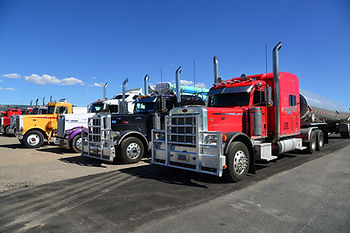
Unlike traditional long-haul trucking operations, hot shot trucking typically involves smaller loads transported using pickup trucks and flatbed trailers. These businesses often operate with lean teams, owner operators, independent contractors, and small fleets, creating unique insurance challenges.
One of the most important yet misunderstood forms of coverage for hot shot trucking companies is workers compensation insurance.
Many business owners wonder:
Do hot shot trucking companies need workers compensation insurance?
What if the business only has owner operators?
How much does workers compensation cost?
Is occupational accident insurance enough?
What happens if a driver gets injured while loading or unloading cargo?
The answers depend on state laws, business structure, employee count, and contractual requirements imposed by motor carriers, brokers, and customers.
Understanding workers compensation insurance can help protect your business, reduce financial risk, secure contracts, and maintain compliance as your trucking operation grows.
What Is Workers Compensation Insurance?
Workers compensation insurance provides benefits to employees who suffer work-related injuries or occupational illnesses.
Coverage may include:
Medical treatment
Lost wage benefits
Rehabilitation expenses
Disability benefits
Survivor benefits for dependents
Workers compensation is designed to help employees recover from workplace injuries while protecting employers from many injury-related lawsuits.
For trucking businesses, this coverage can be particularly important due to the physical nature of the work.
What Is a Hot Shot Trucking Company?
A hot shot trucking company specializes in transporting smaller, time-sensitive loads using medium-duty trucks, heavy-duty pickups, and flatbed trailers.
Hot shot loads often include:
Construction materials
Machinery parts
Equipment deliveries
Oil field supplies
Manufacturing components
Agricultural products
Unlike large trucking fleets that focus on full truckload freight, hot shot businesses often prioritize speed and flexibility.
Many hot shot trucking businesses start with a single truck and grow into multi-driver operations over time.
Does a Hot Shot Trucking Company Need Workers Compensation Insurance?
The answer depends on several factors.
Companies With Employees
If your business employs drivers, dispatchers, mechanics, office staff, or warehouse workers, workers compensation coverage is often required once state thresholds are met.
Requirements vary by state, but employers commonly must maintain workers compensation insurance for employees.
Failing to maintain required coverage can lead to:
Regulatory penalties
Fines
Legal liability
Contract violations
Lost business opportunities
Owner-Only Hot Shot Trucking Businesses
Many hot shot companies start as owner-operated businesses.
If there are no employees, workers compensation requirements may differ depending on state law and business structure.
However, many brokers, shippers, and motor carriers still require proof of workers compensation coverage or alternative injury coverage before doing business.
As a result, owner-only operations often explore workers compensation or occupational accident options even when state law may not require workers compensation coverage.
Why Workers Compensation Matters in Hot Shot Trucking
Driving is only one part of the job.
Hot shot operators routinely perform physically demanding tasks that increase injury exposure.
Activities include:
Loading freight
Unloading cargo
Securing loads
Trailer hookups
Equipment inspections
Roadside repairs
Each task presents potential injury risks.
Workplace injuries can create significant financial strain through:
Medical expenses
Lost income
Recovery periods
Rehabilitation costs
Business interruption
Workers compensation coverage helps address many of these concerns.
Common Injury Risks for Hot Shot Trucking Companies
Loading and Unloading Injuries
Many trucking injuries occur outside the cab.
Drivers frequently handle:
Straps
Chains
Tie-down equipment
Tools
Cargo
These activities can result in:
Back strains
Shoulder injuries
Muscle tears
Sprains
Slip and Fall Accidents
Drivers often work in:
Loading docks
Customer facilities
Warehouses
Construction sites
Uneven ground and weather conditions can increase injury risks.
Vehicle Accidents
Even experienced drivers face road hazards.
Vehicle accidents can result in:
Serious injuries
Long recovery periods
Extended downtime
Equipment-Related Injuries
Working around trailers, hitches, and cargo securement systems exposes drivers to additional hazards.
Common injuries include:
Pinched fingers
Crush injuries
Falls
Equipment-related strains
Repetitive Motion Injuries
Long hours driving can contribute to:
Neck pain
Back pain
Shoulder disorders
Joint issues
Workers Compensation vs Occupational Accident Insurance
Many hot shot trucking company owners compare workers compensation insurance with occupational accident insurance.
Workers Compensation
Generally:
Regulated by state law
Provides statutory benefits
May be required for employees
Covers qualifying workplace injuries
Occupational Accident Insurance
Generally:
Purchased privately
Often used by independent contractors
May have benefit limits
May not satisfy all contractual requirements
Because these coverages serve different purposes, trucking businesses should review contracts carefully before selecting an option.
"If you're evaluating injury coverage options, explore our guide on Workers Comp vs Occupational Accident Insurance to better understand the differences, limitations, and benefits of each solution."
How Workers Compensation Premiums Are Calculated
Several factors influence premium costs.
Payroll
Workers compensation premiums are often based on payroll.
As payroll increases, premium costs typically increase.
Number of Drivers
More employees generally create more exposure.
This often results in higher overall premiums.
Employee Classifications
Insurance companies evaluate job duties when determining rates.
Different classifications carry different risk levels.
Claims History
Carriers review previous losses when setting premiums.
Factors include:
Frequency of claims
Severity of injuries
Safety record
Experience modification factor (EMR)
State Requirements
Workers compensation rules vary significantly from one state to another.
Coverage obligations and rates may differ considerably.

Practical Example
Consider two hot shot trucking companies.
Company A
One owner operator
No employees
Single truck
Local deliveries
Company B
Five drivers
Dispatcher
Office administrator
Multiple trucks
Interstate operations
Hot shot trucking operators looking for transportation safety information can review resources from the FMCSA, which provides guidance on commercial vehicle operations, compliance, and driver safety.
Contract Requirements for Hot Shot Trucking Companies
Many hot shot operators discover that insurance requirements come from contracts rather than state law.
Motor carriers, brokers, and customers may require:
Workers compensation certificates
Proof of insurance
Occupational accident coverage
Additional endorsements
Workers Compensation for Hot Shot Owner Operators
Owner operators represent a significant portion of the hot shot trucking industry.
Many operate independently while leasing onto larger carriers or working directly with customers.
Understanding workers compensation obligations is particularly important for these businesses.
Independent hot shot drivers can learn more by reviewing our complete guide on Workers Comp for Owner Operators, which covers exemptions, requirements, and insurance options available to owner-operated trucking businesses.
Workers Compensation for Growing Hot Shot Fleets
Many trucking companies begin with a single truck and gradually expand operations.
Growth often involves:
Hiring drivers
Adding dispatch personnel
Employing mechanics
Expanding administrative staff
Each new employee may affect workers compensation obligations.
Business owners should review insurance requirements whenever operations expand.
Risk Management Strategies
Reducing workplace injuries can help control workers compensation costs.
Driver Safety Training
Regular training helps reduce accident frequency.
Topics should include:
Defensive driving
Cargo securement
Fatigue management
Vehicle inspections
Preventive Maintenance
Proper maintenance reduces breakdowns and accident risks.
Routine inspections should include:
Tires
Brakes
Lights
Coupling systems
Trailer equipment
Injury Reporting Procedures
Prompt injury reporting improves claims management and can reduce claim complications.
Cargo Securement Programs
Proper cargo securement helps reduce:
Driver injuries
Equipment damage
Freight claims
Workplace Safety Resources
Hot shot trucking businesses can improve safety programs by utilizing the OSHA Small Business Safety Resources, which provide educational materials, safety recommendations, and risk management guidance.
Common Workers Compensation Mistakes
Assuming Owner Operators Never Need Coverage
Contractual obligations often create insurance requirements.
Business owners should review agreements carefully.
Misclassifying Drivers
Improper worker classification may create insurance and compliance issues.
Focusing Only on Price
Lowest-cost coverage is not always the best option.
Review:
Coverage limits
Exclusions
Endorsements
Contract requirements
Ignoring Business Growth
Insurance needs often change as fleets expand.
Coverage should be reviewed regularly.
Hot Shot Trucking vs Traditional Trucking Workers Compensation
Feature | Hot Shot Trucking | Traditional Trucking |
Fleet Size | Often Smaller | Often Larger |
Driver Count | Usually Lower | Often Higher |
Freight Size | Smaller Loads | Full Truckloads |
Loading Duties | Frequent | Varies |
Growth Potential | High | High |
Workers Comp Needs | Based on Employees and Contracts | Based on Employees and Contracts |
Both business models face significant injury exposures and should evaluate workers compensation needs carefully.
Frequently Asked Questions
Do hot shot trucking companies need workers compensation insurance?
Requirements vary by state, employee count, and business structure. Companies with employees are commonly required to maintain workers compensation coverage.
What if I am a sole owner operator?
Some owner-only businesses may qualify for exemptions depending on state law, but contractual requirements may still require insurance coverage.
How much does workers compensation cost for hot shot trucking companies?
Costs vary based on payroll, employee count, classifications, claims history, state regulations, and insurance carrier underwriting guidelines.
Is occupational accident insurance the same as workers compensation?
No. Occupational accident insurance and workers compensation are different coverages and may not satisfy the same requirements.
Can workers compensation help protect my trucking business?
Workers compensation can help address workplace injury expenses and may also help satisfy contractual insurance requirements.
Final Thoughts
Workers compensation insurance is an important consideration for hot shot trucking companies, whether you operate a single truck or manage a growing fleet.
Because hot shot operators face risks related to driving, loading, unloading, cargo securement, and equipment handling, workplace injuries can have a significant impact on business operations and income.
Understanding your obligations, evaluating contractual requirements, implementing safety programs, and maintaining appropriate coverage can help protect both your business and your workforce.
Get a Workers Compensation Quote
Whether you operate as an independent hot shot driver or manage a growing trucking operation, having the right workers compensation strategy is essential.
TotalWorkComp.com helps hot shot trucking companies compare workers compensation coverage options from leading insurance providers and identify solutions tailored to their operational needs, workforce size, and contractual requirements.
Request a free workers compensation quote from TotalWorkComp.com today and discover insurance solutions designed specifically for hot shot trucking businesses.


Comments